INDUSTRY INSIGHT · 6 MIN READ
Key Takeaways
- AI is evolving from conversational assistants to operational decision engines.
- Retailers will increasingly compete on the quality of AI-driven decisions, not just AI availability.
- Smarter fulfillment, delivery, and routing decisions will shape the next generation of ecommerce experiences.
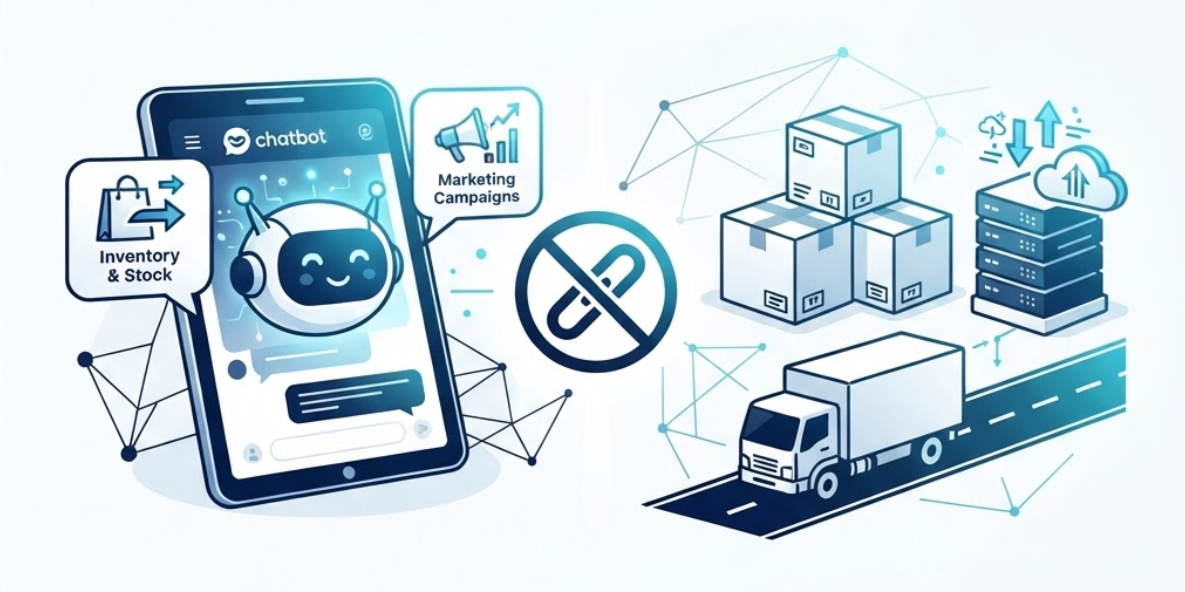
For the past few years, "AI in ecommerce" has mostly meant one thing: talking to a chatbot. It answered shipping questions, recommended products, and occasionally resolved a support ticket. That was the first wave, and it changed how customers communicate with brands.
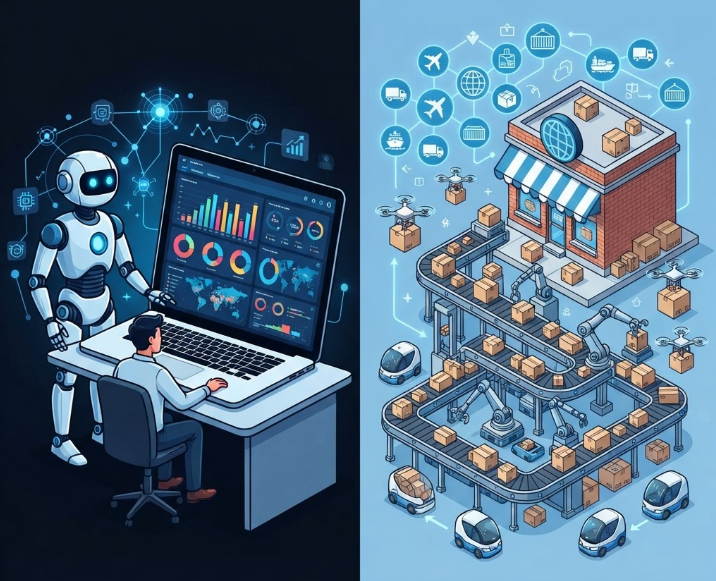
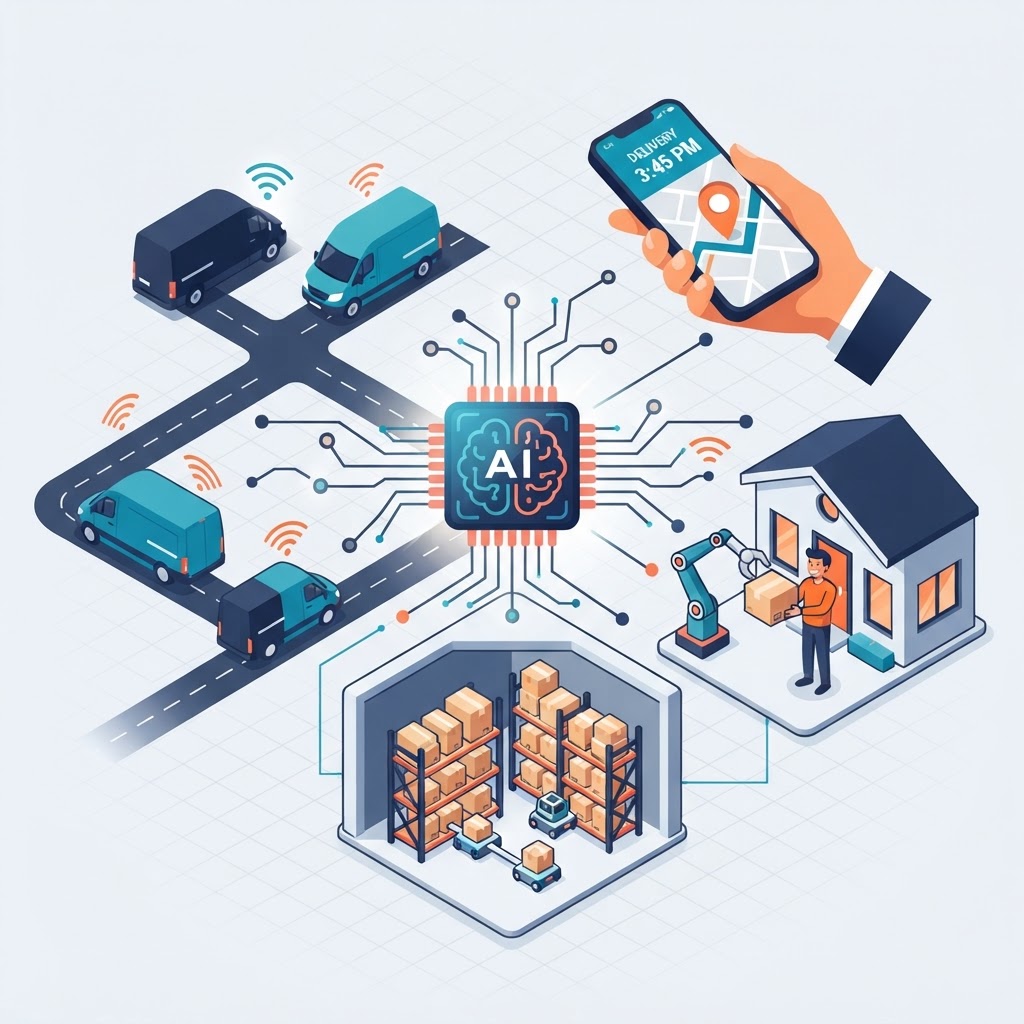
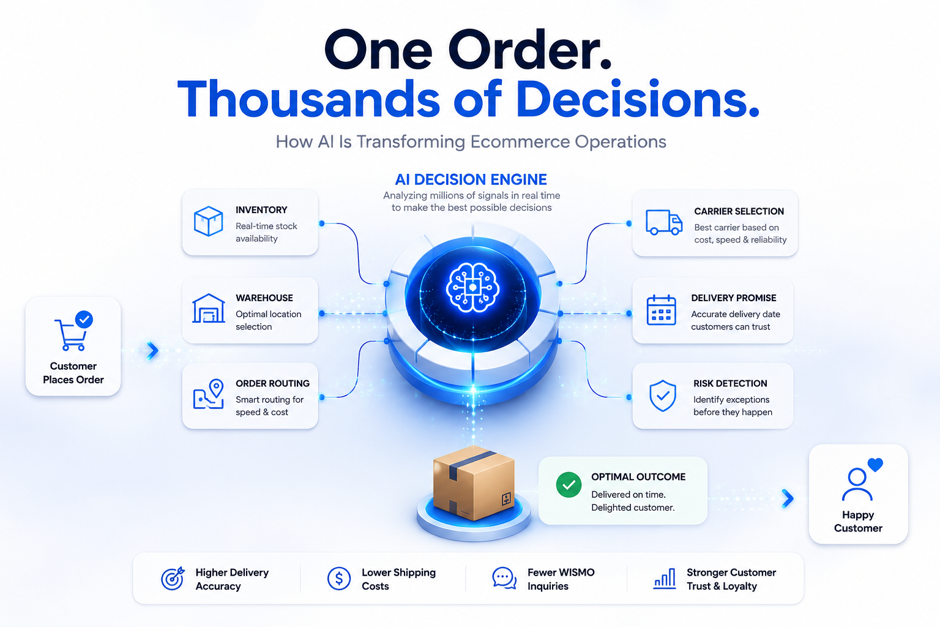
But a quieter, more consequential shift is underway. AI is moving from the conversation layer into the decision layer — the systems that determine which carrier ships an order, how a delivery date is calculated, and whether an exception gets caught before it becomes a complaint. This is decision intelligence, and it's about to matter more to retailers' bottom lines than any chatbot ever did.
This is the category Fenix Commerce operates in. Our platform predicts accurate delivery dates and selects the right carrier in real time — the same "decision intelligence" this article describes — so retailers don't have to choose between showing a delivery promise and keeping it.
AI Is Already Changing How Consumers Shop
The shift isn't theoretical — it's already showing up in the numbers. During the 2025 holiday shopping season, AI and AI agents influenced 20% of global online sales, worth an estimated $262 billion, based on Salesforce's analysis of over 1.5 billion shoppers across 89 countries. Retailers who deployed their own AI shopping agents saw sales grow 59% faster than those who sat on the sidelines.
McKinsey's research points to where the deeper value is hiding: organizations that apply AI to demand forecasting, inventory planning, and route optimization are cutting forecast errors by 20–50%, translating directly into fewer stockouts and less capital tied up in excess inventory.
The pattern is clear. Consumer-facing AI gets the headlines, but operational AI is quietly becoming the bigger lever.
The Next Bottleneck Isn't Customer Service — It's Operational Complexity
For most of the last decade, ecommerce leaders treated customer service as the primary friction point, and AI chat tools as the fix. But as AI adoption matures, a different bottleneck is emerging: the sheer complexity of the decisions retailers have to make behind the scenes, in real time, at scale.
Which carrier should handle this order given current capacity and weather delays? What delivery date can actually be promised without overpromising? Which shipments are at risk of turning into a support ticket before they ship? These aren't questions a single employee, or even a well-staffed ops team, can answer manually anymore — not when order volume, carrier options, and customer expectations are all rising simultaneously.
This is where decision intelligence steps in. Instead of assisting a human through a conversation, AI starts making — or directly informing — the operational calls that used to require guesswork, static rules, or manual review.
From Conversational AI to Decision Intelligence
The distinction matters because these two categories of AI solve fundamentally different problems. One helps people communicate faster. The other helps businesses decide better — before a customer ever notices there was a decision to make.
Three Predictions for the Next Phase of Ecommerce AI
1. AI Will Become an Operational Decision-Maker
Static business rules — "always use Carrier X for orders under 5 lbs" — will give way to dynamic, contextual decisions made in real time, based on live signals like inventory location, carrier performance, and weather. The rulebook stops being written in advance and starts being written on the fly.
2. Retailers Will Compete on Decision Quality, Not AI Availability
Nearly every retailer will have access to AI within the next few years — that much is no longer a differentiator. What will separate winners from laggards is whether their AI is making good decisions: accurate delivery promises, smart exception handling, and fulfillment choices that actually hold up in the real world.
3. Customers Won't Notice the AI — They'll Notice the Experience
The best decision intelligence will be invisible. Shoppers won't know an algorithm chose their carrier or predicted their delivery window down to the hour. They'll just notice that the package arrived when it was supposed to, and that nothing went wrong.
Why This Matters for Ecommerce Leaders
Decision intelligence isn't an abstract technology trend — it shows up directly in outcomes retailers already track:
- More accurate delivery promises that build trust before checkout
- Smarter carrier and fulfillment routing that adapts to real conditions
- Lower shipping costs through better decisions, not just more automation
- Fewer "where is my order" (WISMO) inquiries, because fewer things go wrong
- Higher customer trust and repeat purchase rates
These are the metrics that show up in board decks, not just IT roadmaps — which is exactly why decision intelligence deserves a seat next to conversational AI in every ecommerce strategy.
What Ecommerce Leaders Should Focus On
- Invest in AI that improves operational decisions, not just customer conversations.
- Connect fulfillment and delivery data so decisions are made with full context, not in silos.
- Measure AI by business outcomes — delivery accuracy, cost, and trust — not by adoption metrics alone.
- Build systems that learn continuously, so decisions improve as conditions change rather than staying fixed to rules set months ago.
The Future Belongs to Decision Intelligence
The first generation of ecommerce AI helped customers make decisions. The next generation helps retailers make them.
That shift — from conversation to decision-making — is where the next wave of competitive advantage in ecommerce will be won. Delivery certainty, fulfillment precision, and customer trust won't come from having an AI assistant. They'll come from having AI that consistently makes the right call, order after order, long before the customer ever has a reason to ask where their package is.
See how Fenix Commerce brings decision intelligence to your checkout — Request a Demo →
Sources: Salesforce — 2025 Holiday Shopping Data · McKinsey — AI-Driven Operations Forecasting in Data-Light Environments
FenixCommerce
Sharing insights on AI-powered delivery management, eCommerce optimization, and post-purchase experience.
Related Resources
leverage agentic delivery solutions to automate your complex shipping and logistics decisions
This page directly connects to the blog's core theme of AI moving from simple chatbots to autonomous decision-making in logistics.
implement intelligent order promise and routing to improve your fulfillment and delivery accuracy
The blog highlights smarter fulfillment and routing as the next generation of ecommerce, which is exactly what the Order Promise and Routing page covers.
use accurate estimated delivery dates to optimize conversion rates and reduce cart abandonment
The article discusses the importance of keeping delivery promises, a key function provided by the Estimated Delivery Dates solution.
gain deep insights into carrier performance with advanced shipping intelligence and analytics tools
The post emphasizes that decision intelligence relies on data, and the Shipping Intelligence page details how to translate delivery data into actionable insights.
Get Started
Ready to optimize your delivery experience?
See how FenixCommerce's AI-powered platform boosts conversions and reduces shipping costs.