Achieving Seamless Fulfillment with Integrated 3PL and Delivery Management Solutions
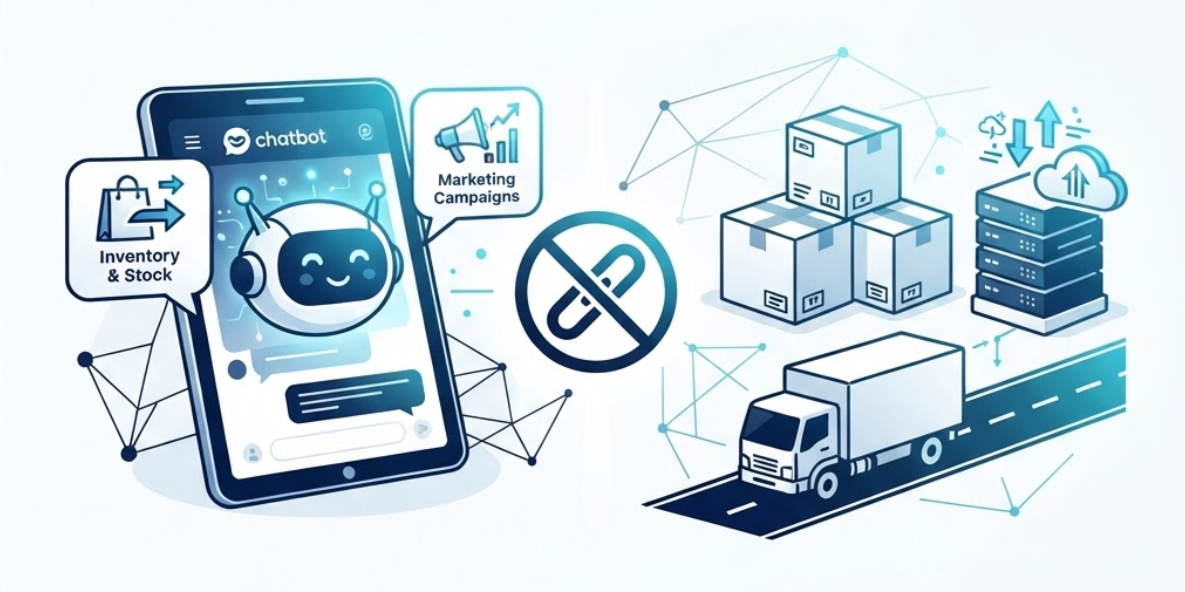
The most common reason brands outsource fulfillment to a 3PL is to "stop worrying about logistics." The most common reason they're disappointed six months later is that they replaced one set of operational headaches with a new one: limited visibility, fragmented data, and no single system stitching together their orders, their warehouse partner, and their delivery experience.
The fix is not picking a "better" 3PL. The fix is to treat your 3PL as a single node in an integrated delivery management stack — not as a black box you hand orders to.
The market is already moving this way. The global 3PL industry is forecast to grow from roughly $1.6 trillion in 2025 to $4.3 trillion by 2035, and over 70% of 3PL providers have already deployed predictive analytics to optimize routes, forecast demand, and manage warehouses. The 3PLs winning enterprise contracts in 2026 will be the ones with the strongest integration story, not the cheapest pallet rate.
What "Integrated 3PL" Actually Solves
A traditional 3PL relationship looks like this: orders go to the 3PL via a CSV or a basic API, the 3PL picks/packs/ships, and tracking comes back hours or days later. Inventory, exceptions, and carrier choice all live inside the 3PL's system. You see what they choose to show you.
An integrated 3PL + delivery management setup looks fundamentally different:
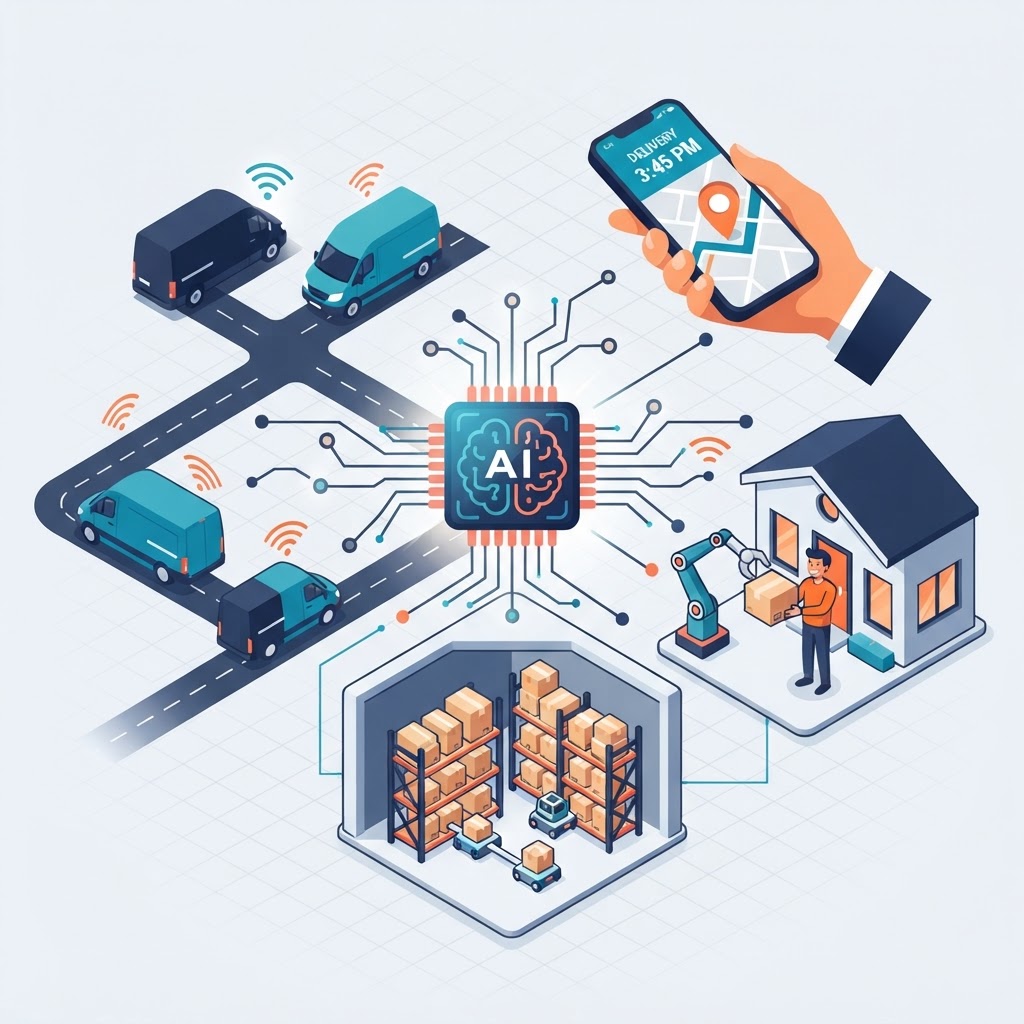
- Orders flow into the OMS, which routes to the right 3PL location based on stock, proximity, and SLA
- The delivery management layer — not the 3PL — picks the optimal carrier using real-time rate shopping
- Tracking events stream back into one unified post-purchase experience for the customer
- Exceptions (failed delivery, address issues, NDRs) are caught and resolved automatically
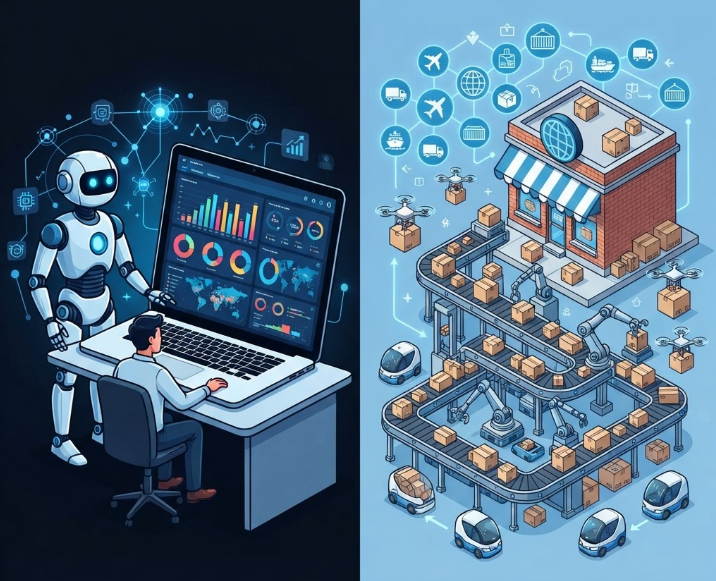
- Analytics roll up across all 3PL locations, carriers, and channels into a single dashboard
Mordor Intelligence's 2025 analysis of the U.S. 3PL market makes the point bluntly: integrations between warehouse and transportation systems are now what separates premium fulfillment partners from commodity ones.
The Five Capabilities to Demand from an Integrated Stack
- Real-time bidirectional API. No batch files, no nightly syncs. Orders, inventory, and tracking should all move in real time. Grand View Research's 3PL outlook shows that providers without modern APIs are losing share.
- Multi-warehouse order routing. If you have inventory across two or more 3PL locations (or your own DCs), an OMS should decide which one fulfills each order based on stock, customer proximity, and shipping cost.
- Carrier-agnostic shipping layer. Your delivery management platform — not the 3PL — should choose the carrier. This protects your rate-shopping savings and prevents lock-in to the 3PL's preferred carrier mix.
- Unified tracking and customer comms. Customers should never see "fulfilled by X 3PL." They should see your brand from confirmation to delivery.
- Returns and reverse logistics in the same system. Reverse logistics can cost retailers 20–40% of original product value, and that loss compounds when returns sit outside your core stack.
The Outcomes That Justify the Investment
When the integration is done right, the operational impact compounds quickly:
- Faster delivery times. 3PLs using predictive analytics have reported delivery time reductions of around 25%.
- Higher first-attempt delivery success. Smart carrier allocation per pin code can dramatically cut RTO rates.
- Lower fulfillment costs. Better routing, better carrier selection, fewer manual exceptions.
- Scalable peak performance. Mordor's analysis notes that integrated WMS + TMS environments are the single biggest predictor of service-level stability during demand surges.
- Visibility for the C-suite. One dashboard for fulfillment economics across every warehouse, channel, and carrier.
What to Ask a 3PL Before You Sign
Before committing to a fulfillment partner, treat the conversation as an integration RFP — not just a pricing negotiation:
- Do you offer real-time API access for orders, inventory, and tracking?
- Can I bring my own carrier contracts and rate-shopping logic?
- How do you handle exceptions and NDRs — is there a webhook or event stream?
- What does your SLA look like for integration uptime and data latency?
- Can I unify tracking and branded notifications across your locations and my own?
If the answers are vague, the integration will be painful.
How FenixCommerce Powers the Integrated Stack
FenixCommerce's delivery management platform is designed to sit on top of any 3PL or multi-3PL setup. It provides the intelligent orchestration layer — order routing, carrier rate shopping, estimated delivery dates, and unified post-purchase tracking — so your 3PL handles physical fulfillment while FenixCommerce handles the delivery intelligence and customer experience.
The result: you get the scale and flexibility of a 3PL without giving up control over your shipping economics or your customer's delivery experience.
The Bottom Line
Outsourcing fulfillment doesn't mean outsourcing control. The brands that win in 2026 and beyond will be the ones that integrate their 3PL into a unified delivery management stack — not the ones that treat logistics as someone else's problem.
If you're evaluating 3PLs or rethinking your current setup, request a demo of FenixCommerce to see how the integration layer works in practice.
FenixCommerce Team
Sharing insights on AI-powered delivery management, eCommerce optimization, and post-purchase experience.
Related Resources
efficiently route orders across your warehouse network with adaptive order promising
This page directly addresses the article's point about routing orders to the right 3PL location based on stock, proximity, and SLA.
leverage multi-carrier management to automate carrier selection and optimize shipping costs
The article highlights the need for a delivery management layer that performs real-time rate shopping rather than relying solely on the 3PL's choice.
create a unified post-purchase experience with branded order tracking pages
This relates to the article's requirement for streaming tracking events back into a single, cohesive customer experience.
gain end-to-end visibility with consolidated shipping analytics across all your channels
This aligns with the post's emphasis on centralizing analytics across 3PL locations, carriers, and channels into a single dashboard.
Get Started
Ready to optimize your delivery experience?
See how FenixCommerce's AI-powered platform boosts conversions and reduces shipping costs.